

Why You Feel So Isolated as a Highly Sensitive Entrepreneur
I used to lead workshops for leadership teams and look entirely at ease. The work went well. People valued it. What they could not see was how much I was…
A crisis can make it feel like something in your life has gone wrong. Your work, relationships, or sense of direction may suddenly feel unstable.
But the mess is not always a mistake. Personal growth during crisis begins when you treat discomfort as information, not failure, and listen to what it reveals.
Becoming yourself is confronting. It can be overwhelming, frightening, and deeply confusing because the version of you that has kept life working may no longer be enough for what life is asking now.
This is especially true when you’ve built visible success. You may have the business, the career, the financial stability, or the reputation. Yet inside, something has become distant. You can’t quite name it, but you know the old way of moving through life no longer feels true.

The temptation is to solve this through more thought, more strategy, or another improvement plan. Introspection can reveal what achievement cannot. Some things cannot be resolved by the same ego structure that helped create the disconnection. The next chapter may ask for less performance and more presence.
Becoming yourself is difficult, but it becomes simpler when you understand what the process is asking of you.
You don’t need to romanticize pain. You don’t need to pretend uncertainty feels good. But you can begin to see that a period of personal transformation has its own intelligence. What changes inside changes everything, from your adaptive leadership to how you relate, create, and decide.
Most people want comfort. It is natural to want life to be stable, predictable, and manageable. Yet without some form of pressure, it is hard to make the next inner move during a time of personal growth during crisis.
A crisis often arrives where something has been ignored, tolerated, or held together for too long. Your marriage may no longer work as it once did. You may notice that your children don’t feel as connected to you. Financial pressure may expose the fragility of a business. A business partner may keep crossing boundaries you haven’t found the courage to name.
The pain is real. But pain is not proof that you’ve done something wrong, and it doesn’t guarantee change.
Are you willing to accept this invitation and follow it, or are you pressing against it?
Accepting the invitation doesn’t mean approving of what happened. It doesn’t mean staying in a harmful situation or denying the practical action a problem requires. It means making a mindset shift, moving from resisting the message of pain to examining what it reveals about personal growth during crisis.
Perhaps you need to speak more honestly, or your current way of working has become unsustainable. The law of sacrifice may require releasing an old role, business model, relationship pattern, or outward identity.
Perhaps you have spent years creating an outward life that no longer matches your essential nature.
This is where growth through adversity begins. Not when the pain disappears, but when you stop abandoning yourself in the presence of it.
Our culture loves formulas. Five habits for success. Seven steps for happiness. A morning routine that promises to solve the complexity of being human.
These tools may have their place. But they cannot explain every period of transformation. Some life changes are intense because they ask you to release an identity, a certainty, or a role that once gave you a sense of safety.

The image of the phoenix rising from the ashes speaks to this experience. The phoenix does not rise because the fire was pleasant. It rises because something old had to end before a new form of life could emerge.
You are not here to seek intensity. The task is to remain present enough within it that the experience does not become meaningless suffering. Emotional regulation means noticing intense feelings without immediately acting on them. This also develops emotional resilience, the capacity to stay in contact with yourself when life becomes difficult. These skills do not make intensity pleasant or guarantee a quick answer.
When intensity arrives, try not to demand an immediate resolution. Give yourself time to understand what is happening, even amid uncertainty. Notice the urge to escape. Notice what you feel. Stay close to the part of you that can observe without immediately reacting.
A crisis may still feel like a fire. But you can learn to stand in it without losing your center.
Difficult emotions rarely disappear because you refuse to feel them. More often, they wait.
You may suppress sadness because there is work to do. You may shut down anger because it feels unsafe to express. You may deny grief because the life you built gives you no space to fall apart. Sometimes this happens consciously. Often, it happens without your awareness.
Think of these feelings as being stored in an emotional garage. They were not processed when they first knocked on the door, so they were placed somewhere out of sight. Over time, the garage fills up.
Then a crisis comes. The pressure rises. Suddenly, you feel things you didn’t know were there.
This can be confusing. You may wonder why a business problem brings up old grief. Why conflict with a partner creates a reaction that feels far bigger than the moment. Why a relationship ending leaves you exhausted in a way that has little to do with the relationship alone.
The crisis may not have created all of those emotions. It may have made them impossible to avoid. It can also bring unresolved trauma or earlier losses closer to awareness, sometimes with the help of professional support.
Self-awareness means becoming conscious of what has been stored. Through patient introspection, you begin to tidy the inner emotional garage, not by forcing yourself into a perfect emotional state, but by allowing the truth of your experience to be felt.
This kind of shadow work means honestly examining emotions you have avoided or pushed out of awareness. It is not a cure, and it does not replace appropriate care.
Stored emotion absorbs energy. When some of that energy returns to you, creativity can return too. You may feel more alive, more expressive, and more able to sense what matters.
The emotions you avoid are often carrying energy that belongs to your life.
If accessing those feelings feels difficult, the Beyond Fear Meditation is designed to help you meet and work through hidden emotions with greater awareness. It can support reflection and emotional processing, though it is not a substitute for professional mental health care when that care is needed.
The ego is not the enemy. It is trying to protect you.
Its job is to keep life familiar, even when your comfort zone has become too small for who you are becoming. During a self-discovery journey, the ego can become especially active because the old identity is beginning to shift.
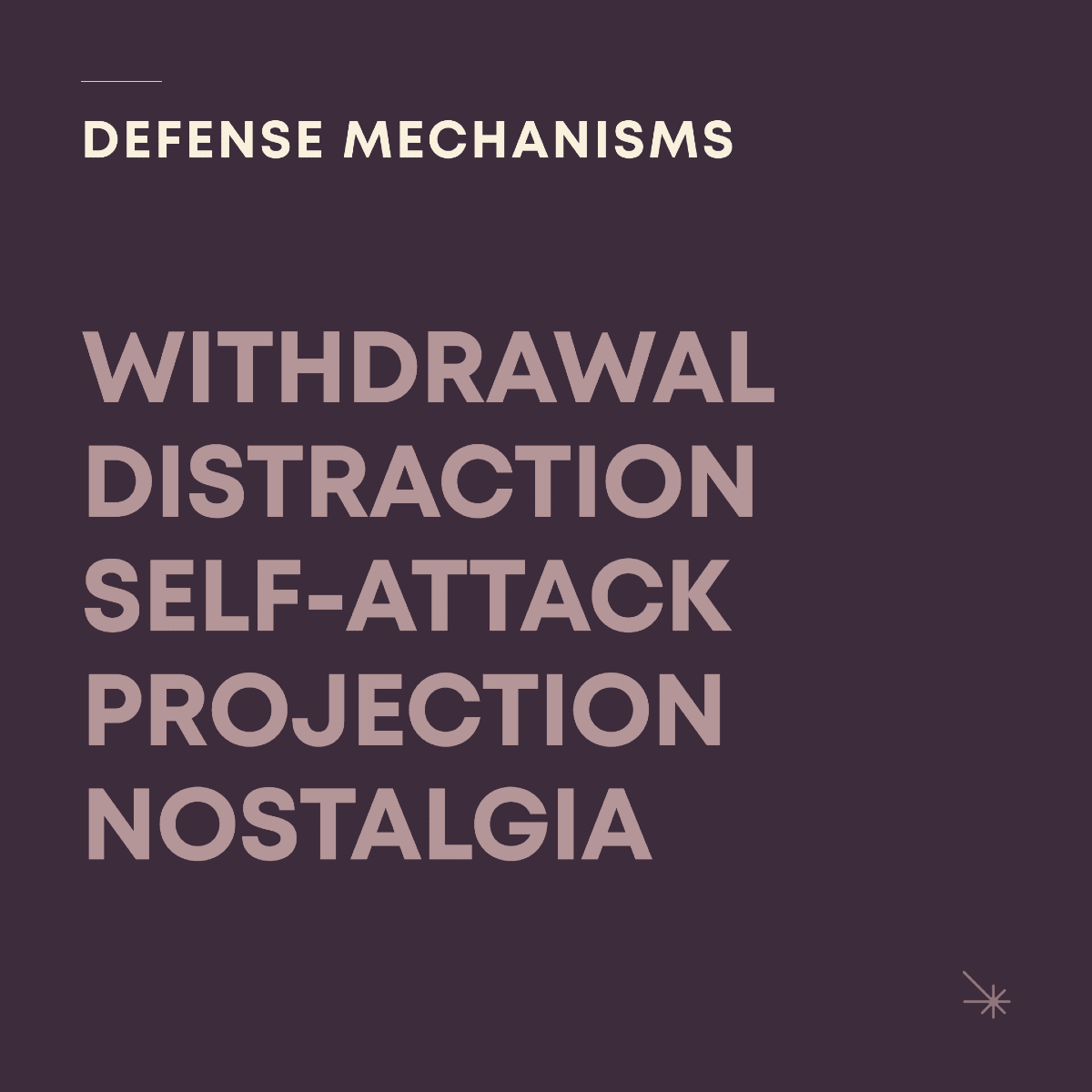
You may know a relationship is asking for honesty, yet you withdraw from it instead. Vulnerability can feel risky when you fear exposing uncertainty or need. You may recognize that a decision needs to be made, then lose hours to doomscrolling, overwork, entertainment, or distraction. These coping mechanisms bring short-term relief, but they don’t resolve what is asking for your attention.
The ego also turns pain inward. Negative self-talk may tell you that you should have known better, that you are failing, or that everyone else is handling life more successfully than you are. This takes the energy of the crisis and uses it against you.
Other times, pain gets projected outward. You focus entirely on what someone else did wrong. You point fingers. You fight. You may even hold onto resentment for the version of life that felt easier in your 20s or 30s.
These responses are understandable. They are also forms of resistance to change.
You cannot return to the person you were before this chapter began. The work is to meet what is here now.
As your old identity shifts, you may begin to sense something that does not shift in the same way. Beneath the roles, achievements, fears, and defenses is an essential core. In the language of alchemy, this is the gold, the part of you that remains when what is false or no longer true begins to fall away.
This is the law of sacrifice: familiar defenses must be released, but your whole self does not need to be rejected.
Finding your true self is not about inventing a new personality. It is about recognizing what has been there beneath the noise.
We all cling to certainty. Even when the familiar is painful, it can feel safer than the unknown.
That is why resistance to change often becomes stronger when the stakes are high. Shame, guilt, fear of judgment, and loss of confidence can make you fight the very process that could show you a more truthful way forward.
Resistance can make change more difficult.
Consider an entrepreneur whose company reaches insolvency. The experience can be devastating. It may carry shame. There may be guilt toward employees, partners, or family. A person who once felt capable and respected may suddenly question their ability to create anything meaningful again.
Adversity does not guarantee a positive outcome. There is no need to pretend this is easy. It doesn’t work that way. Yet some people who move through such a chapter later recognize that the collapse forced them to confront what they had not wanted to see.
They may become clearer about what they want to build. They may see the law of sacrifice at work, letting go of status, money, or an identity built on old values. They may find a more grounded relationship with success, power, and failure.
This is not a clean or instant process. It requires feeling what happened, processing the losses, and integrating the lessons rather than turning them into another performance story.
The phoenix rising from the ashes is not about pretending the ashes were a gift. It is about recognizing the possibility of resilience and transformation after the old structure has fallen.
If resistance makes growth harder, what is the alternative?
Participation and surrender.
You have already built things in your life. You have built a career, a company, a body of work, a family, a reputation, or a way of carrying responsibility. That ability to build does not disappear when the work turns inward.
You can build within, too.
This is where adaptive leadership can guide inner work. Leadership includes responding intelligently to changing conditions, rather than forcing a fixed plan.
Surrender does not mean giving up. It does not mean allowing everything to happen without action. It does not mean waiting passively for life to solve itself.
The law of sacrifice means releasing control over timing, certainty, or an outdated self-image while continuing to take responsible action.
Surrender means actively participating in what is unfolding. It means meeting the change instead of hiding from it. It means staying curious when you would rather shut down. It means allowing feelings to be present without making every feeling your identity.
Let life work through you while staying involved in your own growth.
This requires time. Transformation cannot be fast-forwarded because you are uncomfortable with the pace. Practices and support can help you gain clarity, but they cannot replace the natural process of becoming conscious of what has been hidden.
Interdependence reminds you that becoming more self-aware does not require doing everything alone. Support can help you stay present while you learn what this process is asking of you.
Allow yourself to make mistakes. Allow yourself to not know yet. Let the new identity form through lived experience, not through another rigid standard of who you think you should be.
For support with reflection, clarity, and emotional processing, you can explore the Brilliance State mental clarity meditation, the Personal Energy Audit, or the Inner Reset Bundle.
The aim is not to optimize the old self. It is to return to the Source within you, the deeper intelligence that knows when a life built through effort no longer reflects what is real.
Think back to a difficult chapter you have already moved through.
While you were in it, it may have felt chaotic. You may have doubted yourself. You may have wanted to return to the life you knew before everything changed. But after you moved through it, what did you carry forward?
Often, something essential.
Maybe you learned how to be more honest in relationships. Maybe you found a forgotten part of your creativity. Maybe you learned how to build again without abandoning yourself. Maybe you stopped presenting a version of yourself designed to win approval.
You may even feel gratitude for what you carried forward, without pretending the painful event itself was good.
The hero’s journey offers a useful image here. The hero faces trials, enters unfamiliar territory, and eventually returns with an elixir. The treasure is not merely an external reward. It is what the person has become capable of seeing, carrying, and giving because of the journey.
In personal growth, that treasure is self-connection.
When you are disconnected from yourself, even achievement can feel thin. You may keep reaching for the next goal, milestone, or form of recognition, while sensing that something is missing. More accomplishment cannot fill a space that asks for reconnection.
When you use difficult periods to become more conscious, you begin to feel a different kind of fulfillment. You become more expressive, creative, and present. You are no longer trying to become someone else in order to feel worthy.
The treasure is not becoming someone else. It is becoming more fully yourself.
A difficult chapter can leave you tired. You may wonder whether you’re burned out or depressed. Those questions deserve care, not self-diagnosis.
Sometimes emotional exhaustion comes from carrying years of unprocessed feeling. The emotional garage is full, and maintaining control takes enormous energy. When those feelings surface, their emotional impact can affect your energy and concentration. You may feel depleted before you feel clear.
That doesn’t mean exhaustion should be dismissed as a spiritual process. Persistent, severe, or worsening symptoms deserve support from a qualified health or mental health professional. A trusted support system can offer care in a different way. Clinical resources may also be important.
A crisis can call you toward greater self-awareness, but it can also require practical and clinical care. Meet your symptoms with compassion rather than treating them as personal failure. Practical self-care can help too, including rest, boundaries, regular meals, and time away from excessive demands.
The point isn’t to label every hard season. It’s to become more honest about what you’re carrying, what needs to be felt, and what kind of support will help you meet this chapter well. The questions that follow can help you reflect on those needs.
No. Adversity does not guarantee a positive outcome, and pain alone does not create change. Growth becomes more possible when you process what happened, examine what it reveals, and seek the support or care you need.
Begin by noticing your feelings without immediately judging, suppressing, or acting on them. Patient introspection, emotional regulation, supportive relationships, and professional care can help you process what has been stored beneath the surface.
Surrender does not mean giving up, staying in a harmful situation, or waiting passively for life to change. It means releasing control over timing and certainty while continuing to take responsible action and participate in what is unfolding.
Emotional exhaustion can come from carrying unprocessed feelings, but it should not automatically be treated as a self-development process. Persistent, severe, or worsening symptoms deserve support from a qualified health or mental health professional, along with practical care such as rest, boundaries, and regular meals.
The mess you are in may not be proof that you are lost. It may be the moment when old protections, identities, and ways of striving can no longer carry you forward.
This process starts when you stop trying to return to an earlier version of life. You begin asking what this chapter is here to reveal.
Becoming yourself is not a finish line. It is the ongoing practice of introspection, returning to what is true within you and choosing to build your life from there.